
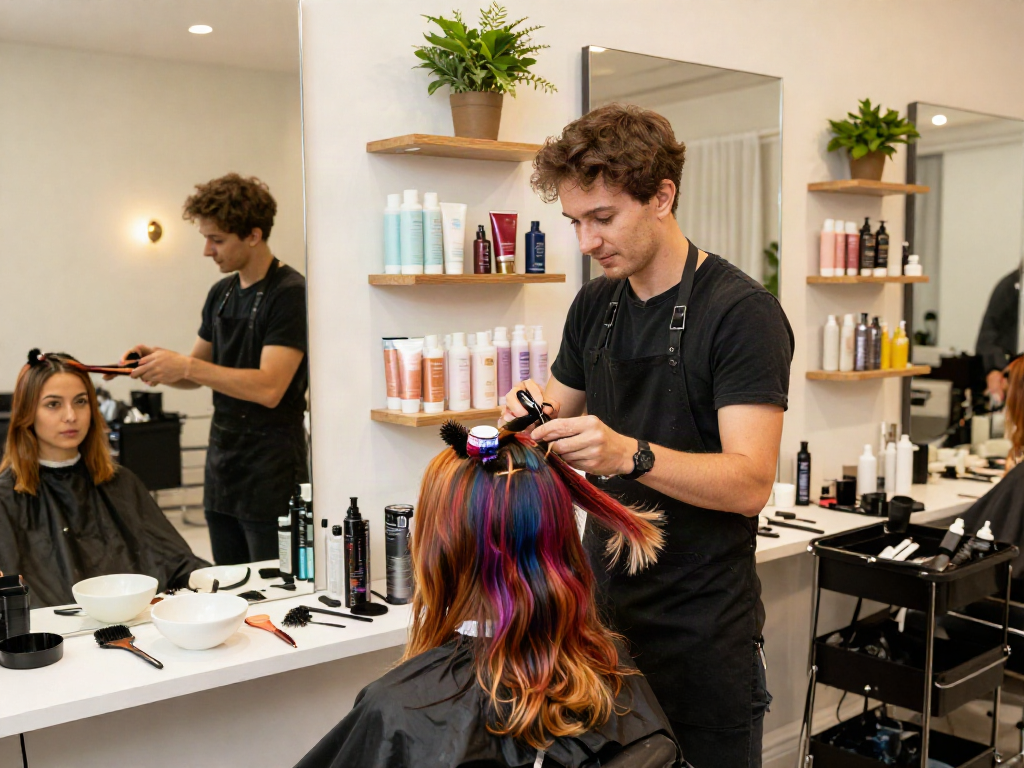
The Importance of Choosing the Right Hair Color
Choosing the right hair color is not just about aesthetics; it embodies self-expression, confidence, and personality. From subtle highlights to bold hues, the color you select can significantly impact not only your appearance but also your emotional well-being. Understanding the nuances of hair coloring can help you make informed decisions that enhance your look while preserving your hair's health. When exploring options, https://carbonegroupparrucchieri.it/ provides comprehensive insights into the various techniques and products available today.
Understanding Your Hair Type and Color
Your hair type—whether fine, thick, curly, or straight—plays a significant role in how color is absorbed and perceived. Different textures react uniquely to various products and techniques, meaning that a color that looks stunning on one type might not translate the same on another. Fine hair, for instance, may require lighter shades to avoid looking flat, while thick hair can handle darker, richer pigments without losing dimension.
Natural hair color also affects how well a new shade will take. Those with darker natural pigments often find that bright colors require pre-lightening, or bleaching, to achieve the desired vibrancy. Conversely, those with naturally lighter hair might have an easier time transitioning into darker tones without as much chemical intervention.
Assessing Skin Tone for Ideal Color Matches
Your skin tone is a critical factor in selecting a complementary hair color. Generally, skin tones are categorized into three groups: warm, cool, and neutral. If you have warm undertones, colors like honey blonde, copper, and rich browns might enhance your natural glow. On the other hand, cool skin tones often pair beautifully with ashy blondes, deep blues, or burgundy shades. Neutral skin tones are versatile and can pull off a wide array of colors.
Assessing your skin tone involves checking the veins on your wrist; blue or purple veins indicate a cool undertone, while green veins suggest warmth. Neutral tones can appear both through varied combinations of the two. Understanding these basics can significantly streamline the decision-making process when choosing a hair color that not only flatters but also makes you feel confident and beautiful.
The Psychological Impact of Hair Color Selection
Hair color can evoke a range of emotions and alter perception—both from others and yourself. Studies have shown that people often associate certain colors with personality traits; for example, blondes are sometimes perceived as more approachable, while redheads can be viewed as more confident and spirited. These perceptions can influence how we carry ourselves and how others interact with us.
Furthermore, changing your hair color can be a powerful form of self-expression. A drastic change can signify a new chapter in life or a desire for transformation. On the psychological front, many individuals report feeling more empowered or revitalized after a fresh color change, leading to improved self-esteem and even greater social engagement.
Common Hair Coloring Techniques and Their Risks
As the desire for unique and personalized hairstyles grows, so does the variety of hair coloring techniques available. However, with these methods come certain risks and considerations that every individual should be aware of before making a commitment.
Balayage vs. Ombre: What You Should Know
Balayage and ombre are two popular coloring techniques that offer distinct looks. Balayage is a freehand painting method that allows for natural-looking highlights, giving dimension without harsh lines. This technique is often low-maintenance and grows out gracefully, making it a favorite for those who prefer an effortless appearance.
In contrast, ombre involves a more pronounced color transition from dark roots to lighter ends, creating a dramatic effect. While this can also be striking, it often requires more upkeep, especially if the color contrast is significant. Both techniques come with their own set of care requirements, and understanding these can help you enjoy your new look longer without damaging your hair.
Understanding the Risks of Box Dyes
Box dyes, while convenient and often less expensive than professional options, carry notable risks. These dyes tend to contain harsher chemicals that can lead to unexpected results, such as uneven color or damage. Moreover, many individuals misuse these products by not following instructions closely or applying them inconsistently, leading to disastrous outcomes.
Furthermore, the lack of professional guidance means that you miss out on personalized advice that could help avoid color disasters, especially for those attempting to make significant changes. If you choose to go the DIY route, it's crucial to conduct thorough research and understand the limitations of at-home dyes.
Professional vs. DIY Coloring: Weighing the Options
When debating between professional and DIY hair coloring, consider the complexity and desired outcome of the look. For intricate techniques requiring precision, like balayage or fashion colors, hiring a professional is often the best choice. Stylists not only have the expertise but also access to superior products that minimize damage and maximize results.
However, for simpler processes, such as enhancing natural color or covering gray hair, DIY can be a practical alternative. The key is to assess your comfort level with hair care and color theory. Investing in quality hair products and tools is essential for achieving a professional-looking result at home.
Maintaining Hair Health Post-Coloring
After undergoing a hair coloring process, maintaining the health of your hair is paramount to ensuring long-lasting results. Proper aftercare can prevent damage and keep your hair looking vibrant and fresh.
Best Practices for Aftercare and Maintenance
To maintain your newly colored hair, start with using sulfate-free shampoos and conditioners designed for color-treated hair. These products help preserve the vibrancy of your color while providing necessary moisture. Additionally, regular deep conditioning treatments can restore hydration and shine, counteracting the drying effects of hair dye.
Limiting heat styling will also help mitigate damage. If you must use heat tools, apply a heat protectant product beforehand to shield your hair from potential harm. Regular trims every six to eight weeks will help remove split ends and keep your hair looking healthy.
DIY Treatments to Repair Color-Damaged Hair
In the event of color damage, there are several DIY treatments that can help rejuvenate your hair. Natural oils, such as coconut or argan oil, can provide deep nourishment and moisture. Applying a mixture of avocado and honey as a mask can also restore shine and softness while combating dryness caused by coloring.
Another effective method involves using a DIY protein treatment. Mixing egg whites with olive oil creates a protein-rich mask that strengthens hair strands and reduces breakage. These treatments can be done weekly to maintain hair strength and integrity.
Recognizing Signs of Hair Damage and Solutions
It's vital to recognize the signs of hair damage early to prevent further issues. Common indicators include excessive dryness, brittleness, and split ends. If your hair feels rough or looks dull, it may be time to implement a regular repair routine.
In addition to at-home treatments, consider consulting with a professional stylist who can provide tailored recommendations for specific products or treatments based on your hair type and condition. Regular scalp massages can enhance blood circulation, promoting healthy hair growth while allowing you to reconnect with your hair's health.
Future Trends in Hair Coloring for 2026
The hair coloring industry is continually evolving, with innovative trends emerging annually. As we look towards 2026, several exciting developments are on the horizon.
Emerging Color Trends and Techniques
Expect to see a rise in playful colors, particularly pastel shades and vibrant unnatural hues as more individuals embrace bold self-expression through their hair. Techniques like color melting—blending multiple shades seamlessly—are also gaining popularity, allowing for stunning, multidimensional looks without harsh lines.
Moreover, the desire for personalization will lead to more custom color blends. Stylists will likely invest in training to perfect these techniques, ensuring clients receive unique, tailored results that stand out.
Eco-Friendly and Sustainable Hair Care Products
As awareness of environmental issues grows, so does the demand for sustainable and eco-friendly hair care products. In 2026, we can expect a wider range of organic dyes free of toxic chemicals and made from renewable resources. Brands will increasingly focus on transparency regarding ingredient sourcing and manufacturing processes, appealing to eco-conscious consumers.
Additionally, more salons may adopt eco-friendly practices, including recycling color tubes and reducing water waste, as part of a commitment to sustainability. This shift not only benefits the planet but aligns the beauty industry with evolving consumer values.
Technology in Hair Coloring: What’s Next?
Advancements in technology are poised to revolutionize hair coloring in the coming years. Expect innovations such as color-matching apps that help clients find their perfect shade from the comfort of their homes. These technologies will use AI to analyze hair and skin tones, providing tailored recommendations.
Moreover, developments in smart coloring tools might emerge, allowing for precise application and monitoring of color processing at home or in salons, making the coloring experience more user-friendly and effective. These technological enhancements will create a more efficient and personalized approach to hair care and styling.
Frequently Asked Questions About Hair Coloring
What should I do if my hair color turns out wrong?
If your hair color turns out differently than expected, don’t panic. Consult with a professional stylist, as they can often correct the color with minimal damage. If you’ve used a box dye, try using a clarifying shampoo to strip some color but be cautious, as this can also lead to dryness.
How often can I color my hair without damage?
Generally, coloring your hair every six to eight weeks is safe, but this largely depends on the type of products used and your hair's condition. Consult with your stylist for a personalized schedule based on your hair type and coloring techniques.
What are the best products to maintain my hair color?
Invest in sulfate-free shampoos, color-safe conditioners, and deep conditioning masks. Products with UV protection can also help shield your color from fading due to sun exposure. Look for brands known for quality ingredients and formulated specifically for color-treated hair.
Are there risks associated with bleaching hair?
Yes, bleaching can significantly weaken hair strands and lead to breakage if not done properly. It's essential to consult a professional who can assess your hair's health and recommend the appropriate bleaching technique and aftercare.
How can I find a reputable hairstylist for coloring?
Begin by researching local salons and reading reviews to gauge customer satisfaction. Ask for recommendations from friends or family, and consider scheduling a consultation with potential stylists to discuss your color goals and assess their expertise.